Sada e Madina Umrah Package – Complete Ziyarat Guide for Hajj & Umrah Pilgrims
1. Masjid al-Haram – Makkah
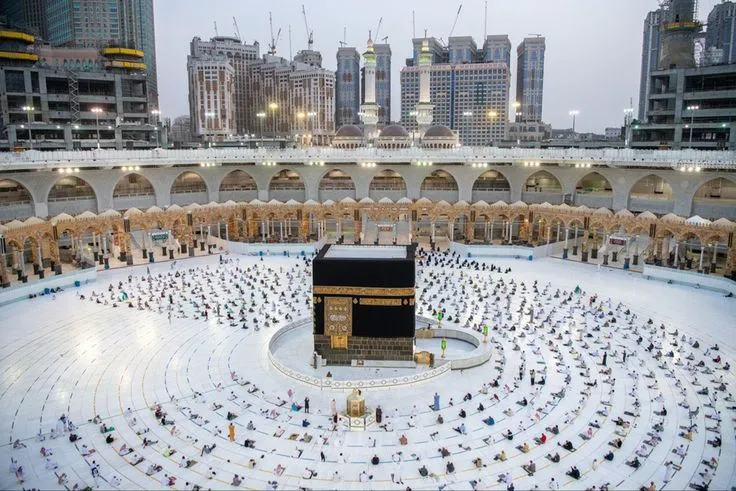
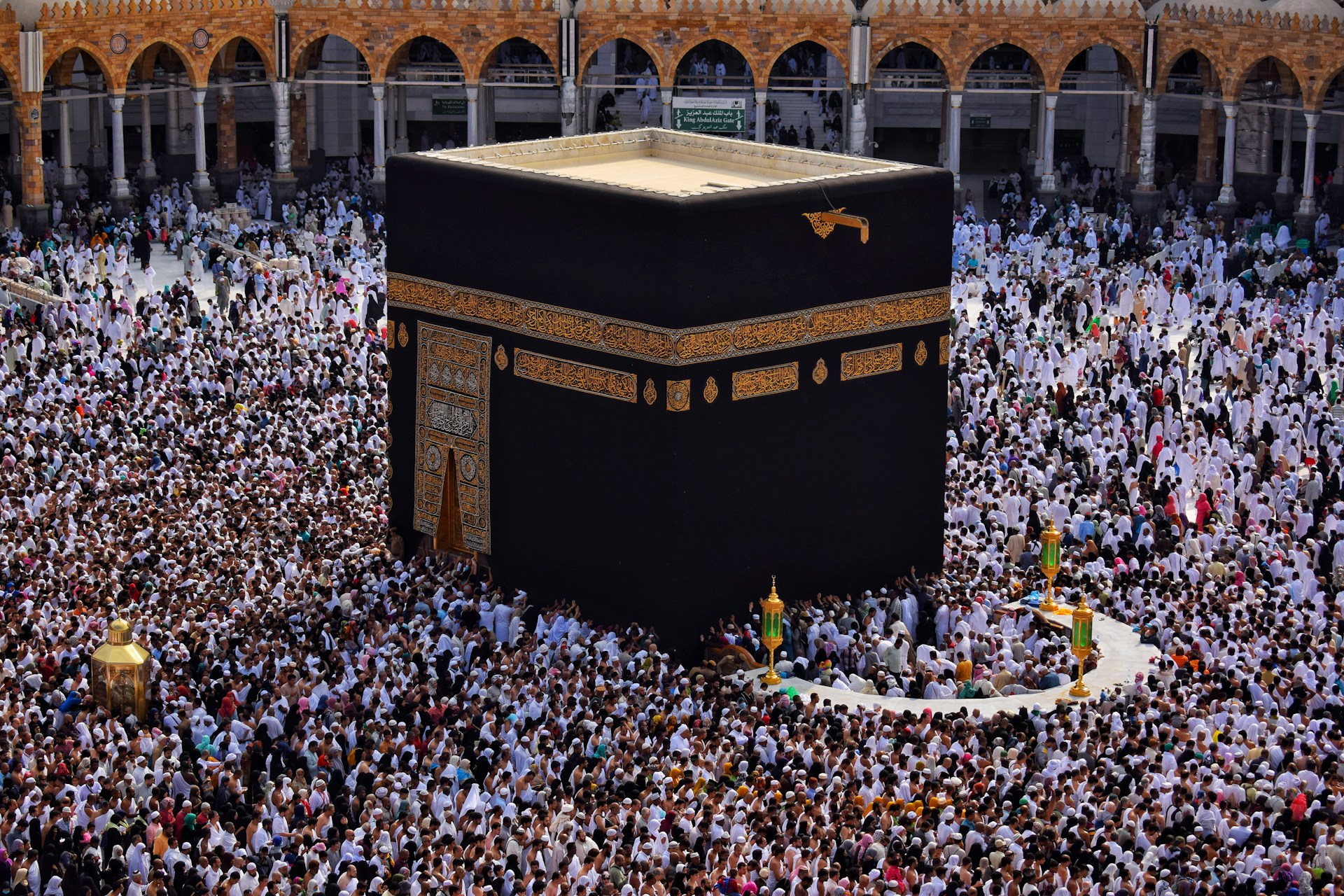
Masjid al-Haram is the holiest mosque in Islam and the focal point of every Umrah journey. Located in the heart of Makkah, it houses the Kaaba, the qibla for all Muslims worldwide. Pilgrims performing Umrah begin their rituals here with tawaf around the Kaaba and prayer at Maqam Ibrahim. The mosque’s vast area accommodates millions, and its spiritual atmosphere is unmatched. Visiting Masjid al-Haram during your Sada e Madina Umrah Package ensures that you start your pilgrimage with deep devotion. The mosque remains open 24/7, welcoming worshippers to engage in salah, dhikr, and recitation of the Qur’an. Every step inside this sacred place is filled with reward, making it the most significant ziyarat spot in Makkah.

2. The Kaaba & Multazam
The Kaaba, known as the House of Allah, is the most sacred site in Islam. Pilgrims circle it seven times during tawaf, a core ritual of Umrah. The Multazam, the area between the Black Stone (Hajr-e-Aswad) and the Kaaba’s door, is a place where duas are believed to be accepted. Many pilgrims cling to the wall here, seeking Allah’s mercy and blessings. The Kaaba’s black cloth covering, known as the Kiswa, is changed annually, adding to its beauty and symbolism. During the Sada e Madina Umrah Package, pilgrims are guided on the correct etiquette of visiting and making dua at this holy site. The experience of standing before the Kaaba is indescribable—bringing peace, humility, and a stronger connection to Allah.
3. Maqam Ibrahim
Maqam Ibrahim is the blessed stone where Prophet Ibrahim (AS) stood while constructing the Kaaba with his son Prophet Ismail (AS). The stone still bears the imprints of his feet, preserved under glass for pilgrims to witness. After completing tawaf, it is Sunnah to pray two rak‘ahs behind Maqam Ibrahim, as commanded in the Qur’an. Visiting Maqam Ibrahim is a highlight of the Sada e Madina Umrah Package, offering a direct link to the history of the Kaaba’s construction. Pilgrims often reflect on the devotion and sacrifice of Prophet Ibrahim and his family. Standing here reminds one of the timeless legacy of faith, obedience, and dedication to Allah’s command, making it an essential ziyarat point in Makkah.
4. Safa & Marwah Hills
Safa and Marwah are two small hills located inside Masjid al-Haram. Pilgrims perform Sa’ee between them—walking or running back and forth seven times—commemorating the search of Hajar (RA) for water for her son Prophet Ismail (AS). Her devotion was rewarded when Allah blessed them with Zamzam water. This ritual symbolizes patience, faith, and trust in Allah. The pathway between the hills is now enclosed within the mosque for pilgrims’ convenience, yet the spiritual significance remains unchanged. During the Sada e Madina Umrah Package, guides explain the historical background, helping pilgrims perform the ritual with deeper understanding. Sa’ee between Safa and Marwah is a mandatory part of Umrah and a moving reminder of Allah’s mercy upon those who trust Him.

5. Zamzam Well
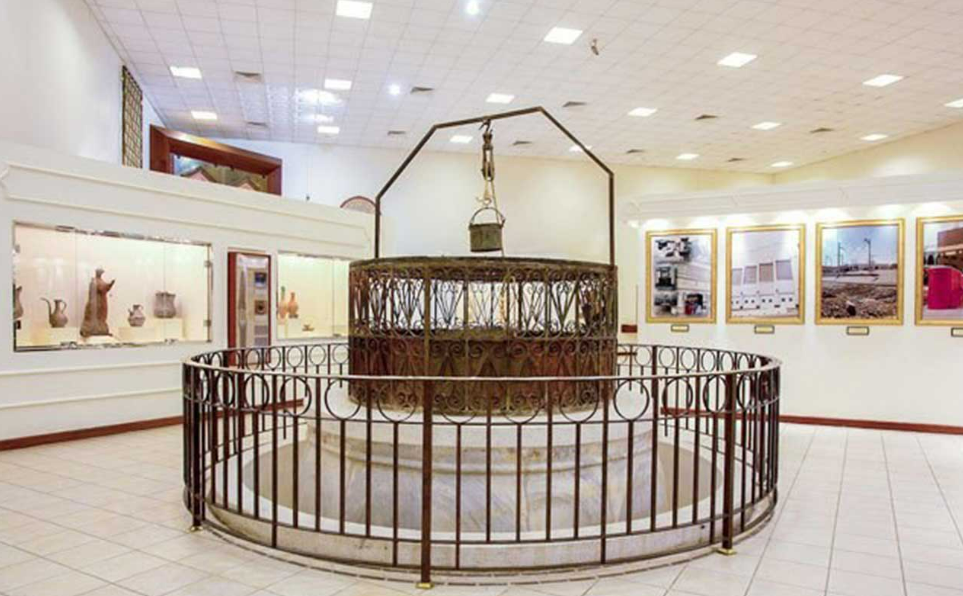
The Zamzam Well is a miraculous source of water in Masjid al-Haram, gifted by Allah to Hajar (RA) and her son Prophet Ismail (AS). This blessed water has quenched the thirst of millions of pilgrims for centuries. Drinking Zamzam is considered Sunnah during Umrah, and pilgrims often carry bottles home for family and friends. Scientific studies have shown its purity and unique mineral composition. During the Sada e Madina Umrah Package, pilgrims are guided to the well area to drink and fill containers. It is recommended to make dua while drinking Zamzam, as the Prophet ﷺ said that Zamzam is for whatever intention it is drunk. The experience of drinking this water connects pilgrims to the faith and patience of Prophet Ibrahim’s family.
6. Jannat al-Mu’alla – Makkah Cemetery
Jannat al-Mu’alla is the sacred cemetery of Makkah where many of the Prophet Muhammad’s ﷺ family members and companions are buried. Among them is Khadijah (RA), the beloved first wife of the Prophet ﷺ, known for her unwavering support and sacrifice. Visiting Jannat al-Mu’alla is a deeply emotional experience, reminding pilgrims of the early sacrifices made for Islam. The graves here are simple, reflecting humility and equality in death. During the Sada e Madina Umrah Package, pilgrims visit this site to offer dua for the departed and reflect on the temporary nature of worldly life. This ziyarat fosters gratitude for the pioneers of Islam who endured hardships so that the faith could flourish. Located just a short distance from Masjid al-Haram, it is an easily accessible yet profoundly moving stop in the Umrah journey.

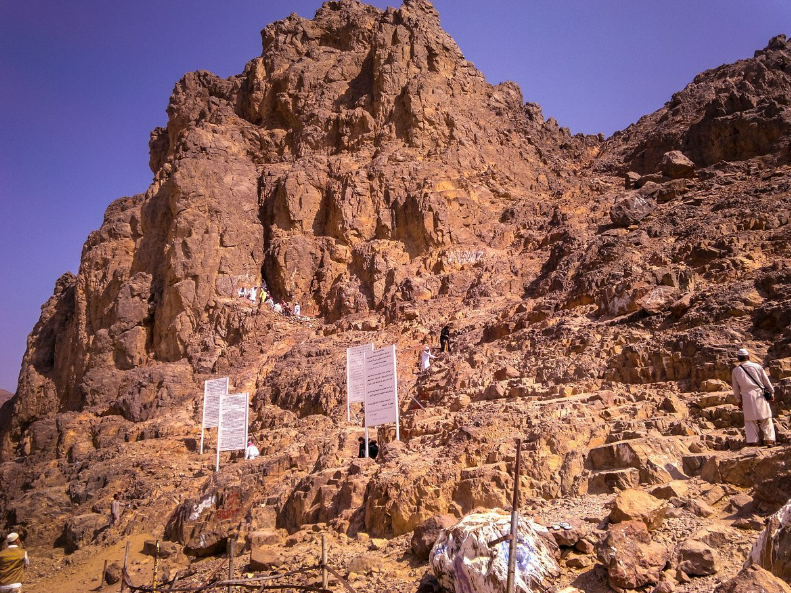
7. Cave Hira (Ghar Hira)
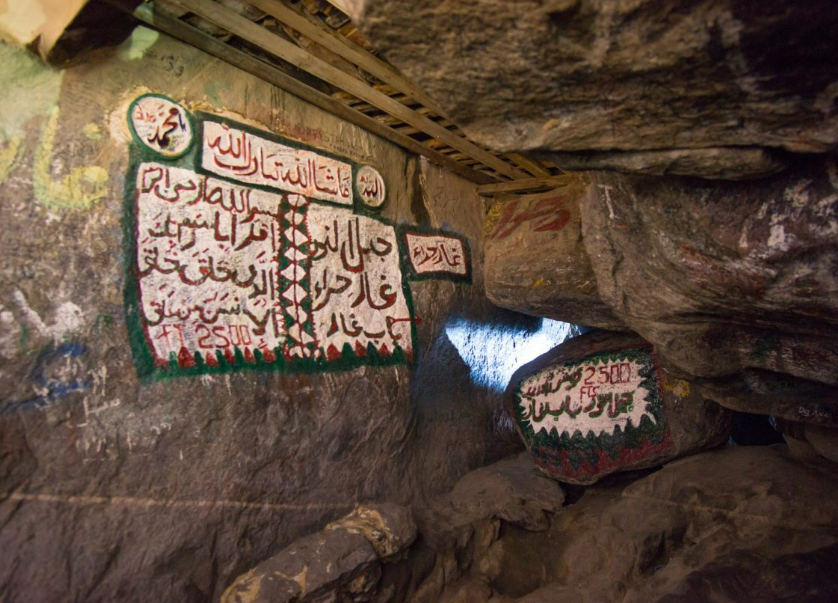
Cave Hira, located on Jabal al-Nour (Mountain of Light), is where Prophet Muhammad ﷺ received the first revelation of the Qur’an through Angel Jibreel (AS). The climb to the cave is steep and takes about an hour, but the spiritual reward is immense. Standing inside this small cave, pilgrims reflect on the Prophet’s dedication to solitude, worship, and seeking truth. During the Sada e Madina Umrah Package, guides share the history of the first revelation, “Iqra,” marking the beginning of prophethood. Although visiting the cave is optional, it is highly recommended for those able to make the journey. From its entrance, one can view the sacred city of Makkah, adding to the experience’s beauty and significance.
8. Cave Thawr (Ghar Thawr)
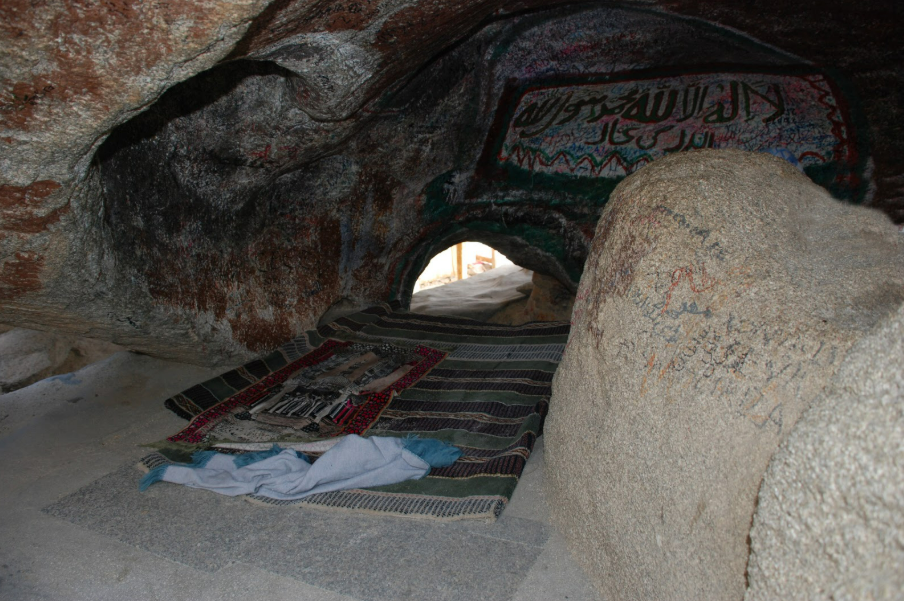
Ghar Thawr is a historic cave on Mount Thawr, famous for sheltering the Prophet Muhammad ﷺ and Abu Bakr (RA) during the migration (Hijrah) from Makkah to Madinah. While they hid inside, Allah sent a spider to weave a web and a dove to nest at the cave’s entrance, misleading Quraysh pursuers. This event symbolizes Allah’s protection over His messenger. The climb to Ghar Thawr is challenging, but pilgrims who reach it often describe the visit as spiritually uplifting. As part of the Sada e Madina Umrah Package, guides recount the migration story in detail, allowing pilgrims to connect with the trials faced by the Prophet ﷺ. The view from the top offers a serene perspective of the surrounding landscape, making it a memorable ziyarat spot.
9. Mina – The Tent City
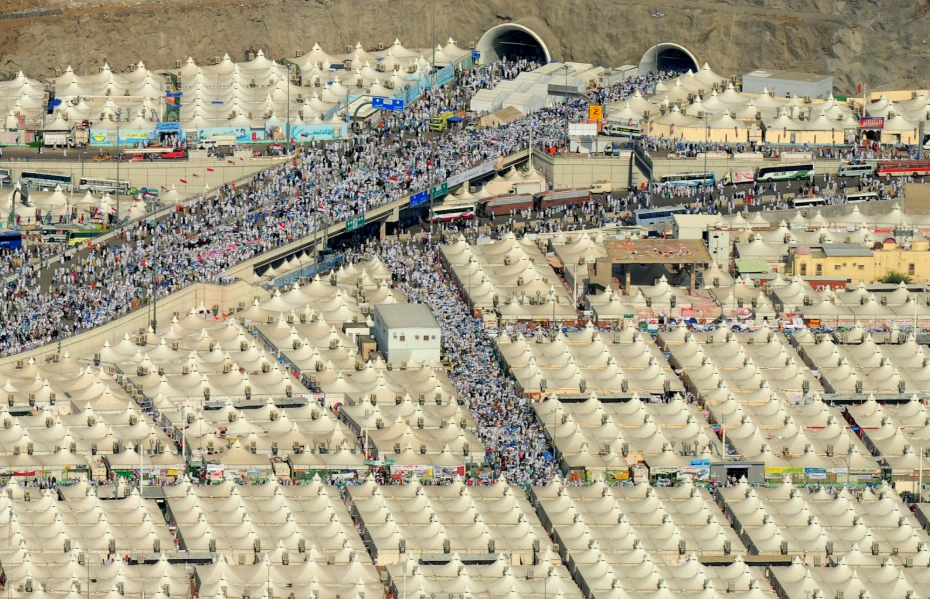
Mina is an essential site for Hajj and holds significance for Umrah pilgrims interested in understanding the complete pilgrimage journey. Known as the “City of Tents,” Mina is where pilgrims stay during the days of Hajj and perform the ritual of stoning the three Jamarat, symbolizing the rejection of Shaytan. While Umrah does not require these rituals, visiting Mina during the Sada e Madina Umrah Package provides historical context and spiritual reflection. Mina reminds pilgrims of Prophet Ibrahim’s (AS) obedience when tested by Allah. The area is now equipped with thousands of white air-conditioned tents, representing unity and equality among Muslims.
10. Arafat – Mount of Mercy
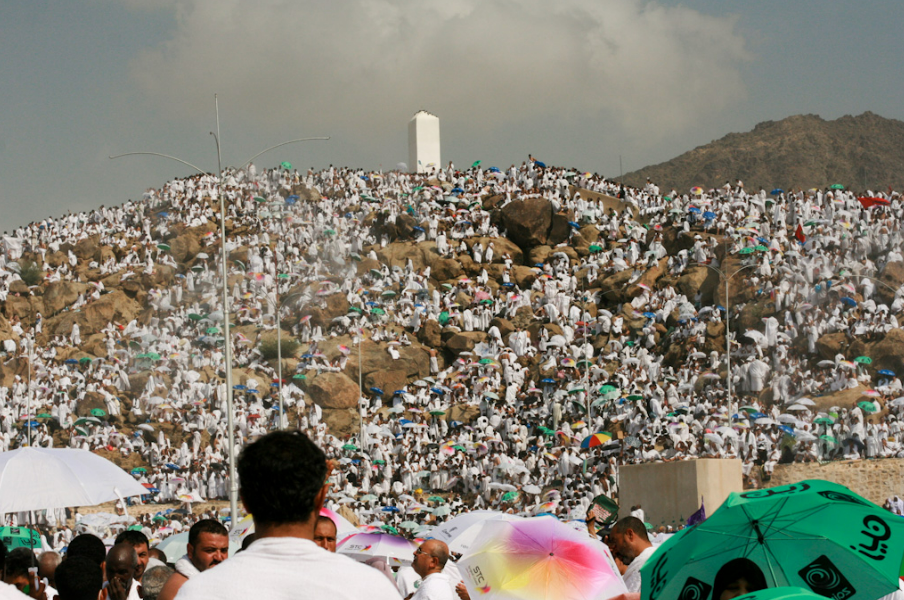
Mount Arafat, also called Jabal al-Rahmah, is where Prophet Muhammad ﷺ delivered his Farewell Sermon during his last Hajj. Standing here is the most important ritual of Hajj, known as Wuquf Arafat. While not part of Umrah, visiting Arafat helps pilgrims understand the significance of the Day of Arafah, when Allah forgives countless believers. The Sada e Madina Umrah Package often includes this ziyarat so pilgrims can reflect on the Prophet’s ﷺ message of unity, justice, and faith. The plain of Arafat is vast and peaceful, and standing on the Mount of Mercy inspires gratitude and a renewed commitment to living by Islamic principles.
11. Muzdalifah
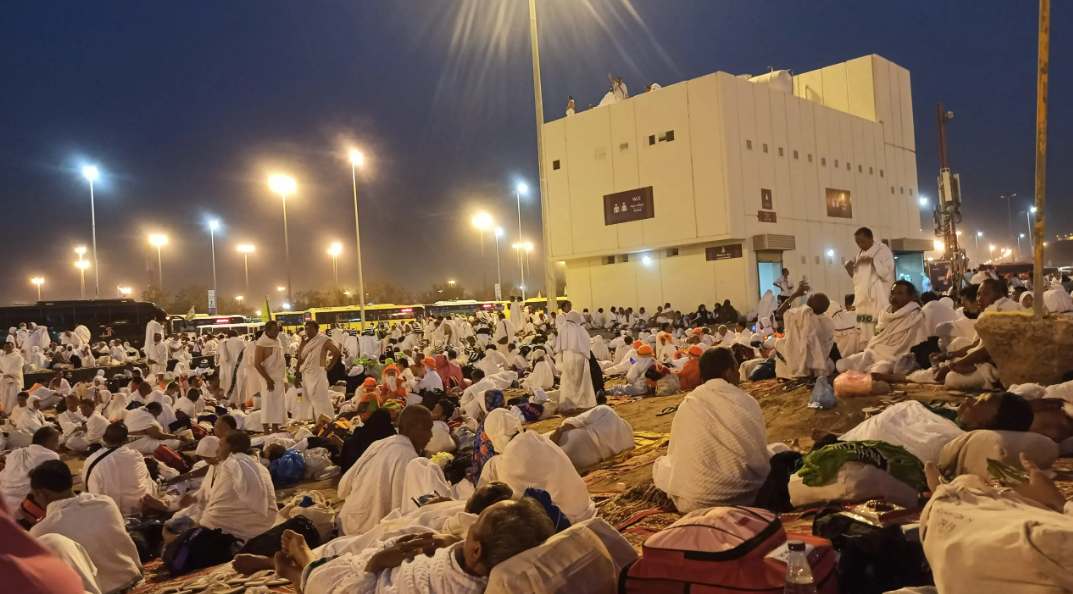
Muzdalifah lies between Mina and Arafat and is where Hajj pilgrims spend the night under the open sky, collecting pebbles for the stoning ritual. Visiting Muzdalifah during Umrah provides a glimpse into the simplicity and humility that Hajj represents. It is a place where millions gather in complete equality before Allah. The Sada e Madina Umrah Package includes this ziyarat to inspire pilgrims with the values of patience and devotion. Even without the Hajj rituals, standing in Muzdalifah connects the pilgrim to the collective spirit of worship that has been practiced here for centuries.
12. Masjid al-Nabawi – Madinah
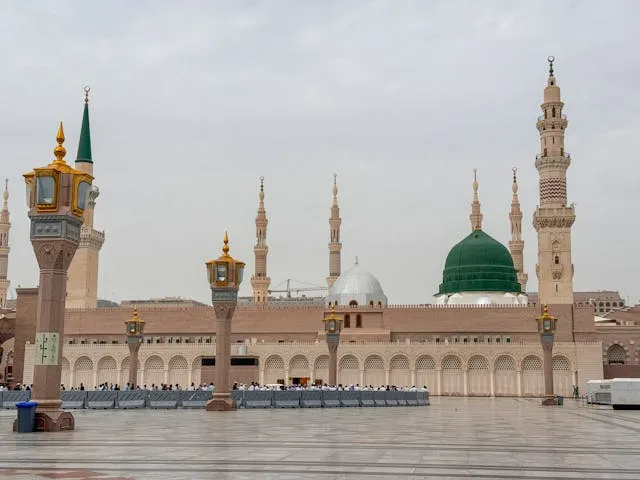
Masjid al-Nabawi is the second holiest mosque in Islam and the resting place of Prophet Muhammad ﷺ. Its Green Dome marks the location of his blessed grave, alongside Abu Bakr (RA) and Umar ibn al-Khattab (RA). The Rawdah, an area between the Prophet’s ﷺ pulpit and grave, is described as a garden from Paradise where duas are accepted. The Sada e Madina Umrah Package ensures pilgrims have time to offer salah, recite Qur’an, and send salutations upon the Prophet ﷺ here. Visiting Masjid al-Nabawi is a deeply emotional moment for every Muslim and a highlight of the entire journey.

13. Rawdah al-Jannah
Rawdah al-Jannah, within Masjid al-Nabawi, is a small yet profoundly blessed area where prayers are especially accepted. It is marked by green carpet and located between the Prophet’s ﷺ pulpit and his blessed grave. Entering Rawdah requires patience due to the large number of visitors, but the spiritual reward is unmatched. During the Sada e Madina Umrah Package, pilgrims are guided on the etiquette of visiting—offering two rak‘ahs, making heartfelt duas, and sending salawat upon the Prophet ﷺ. Being in Rawdah is like standing in a piece of Paradise, an experience that stays in a pilgrim’s heart forever.

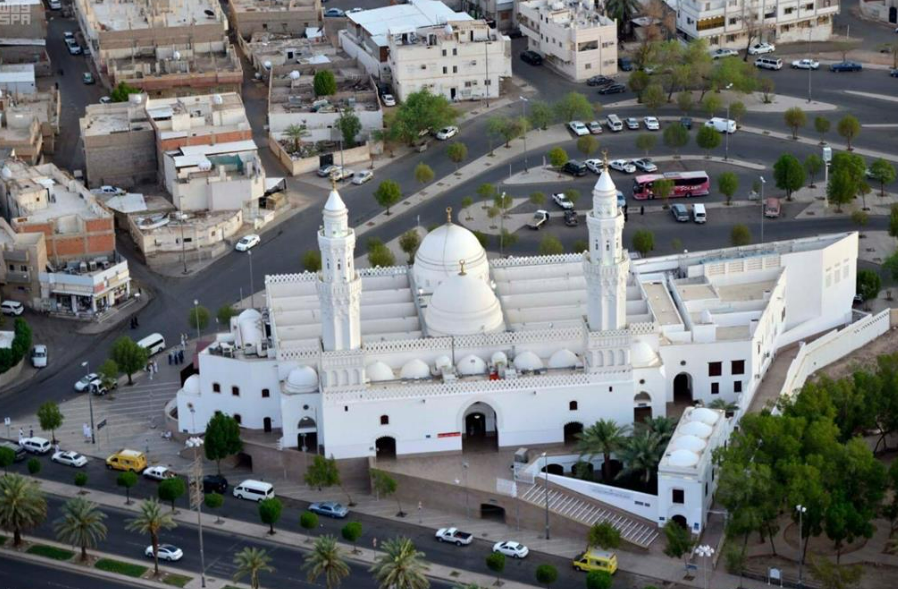
14. Quba Mosque
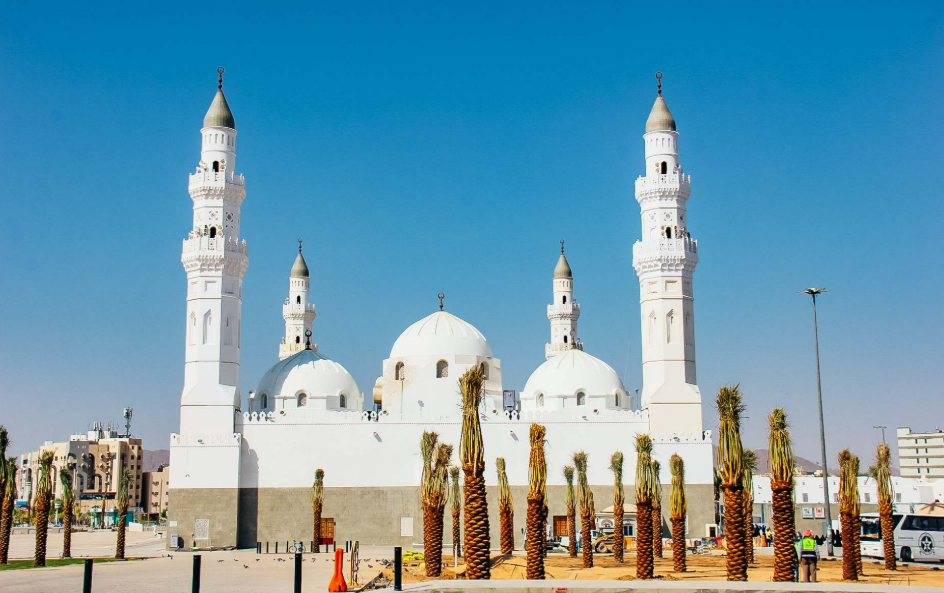
Quba Mosque holds the honor of being the first mosque built in Islam. The Prophet ﷺ personally participated in its construction upon arriving in Madinah during the Hijrah. Praying two rak‘ahs here is equal in reward to performing one Umrah. The Sada e Madina Umrah Package includes Quba Mosque in the ziyarat itinerary, allowing pilgrims to pray and reflect on the early days of the Muslim community. Its peaceful atmosphere and historical significance make it a must-visit site. The mosque’s architecture is simple yet beautiful, embodying humility and devotion.
15. Masjid al-Qiblatayn
Masjid al-Qiblatayn, meaning “The Mosque of Two Qiblas,” is where the direction of prayer was changed from Jerusalem to Makkah during a congregational prayer led by the Prophet ﷺ. This historic event demonstrated obedience to Allah’s command and the unity of the Muslim ummah. The Sada e Madina Umrah Package takes pilgrims to this mosque to understand the importance of following divine guidance. Its name and unique history make it a memorable ziyarat stop in Madinah.
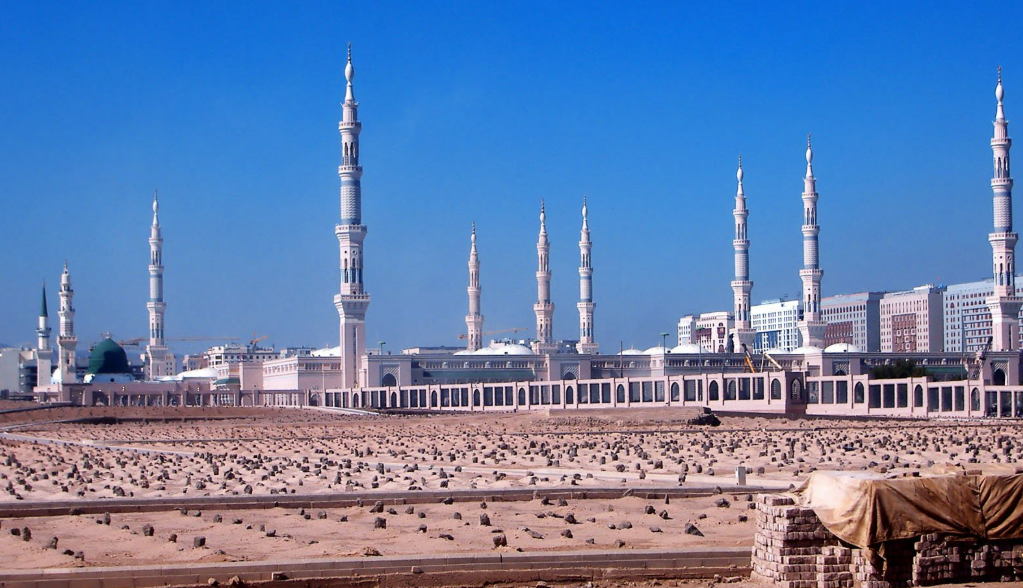
16. Jannat al-Baqi Cemetery
Jannat al-Baqi is the main cemetery of Madinah, where many companions, family members of the Prophet ﷺ, and notable figures of Islamic history are buried. Visiting this cemetery is a reminder of life’s shortness and the value of preparing for the hereafter. Pilgrims in the Sada e Madina Umrah Package offer duas here for the souls of the righteous. The simplicity of the graves reflects Islamic teachings on equality in death.
17. Mount Uhud
Mount Uhud is the site of the famous Battle of Uhud, where many companions of the Prophet ﷺ were martyred, including Hamza ibn Abdul-Muttalib (RA). The mountain stands as a symbol of sacrifice and steadfastness in the face of trials. Visiting Mount Uhud during the Sada e Madina Umrah Package allows pilgrims to learn lessons from Islamic history while paying respects to the martyrs.
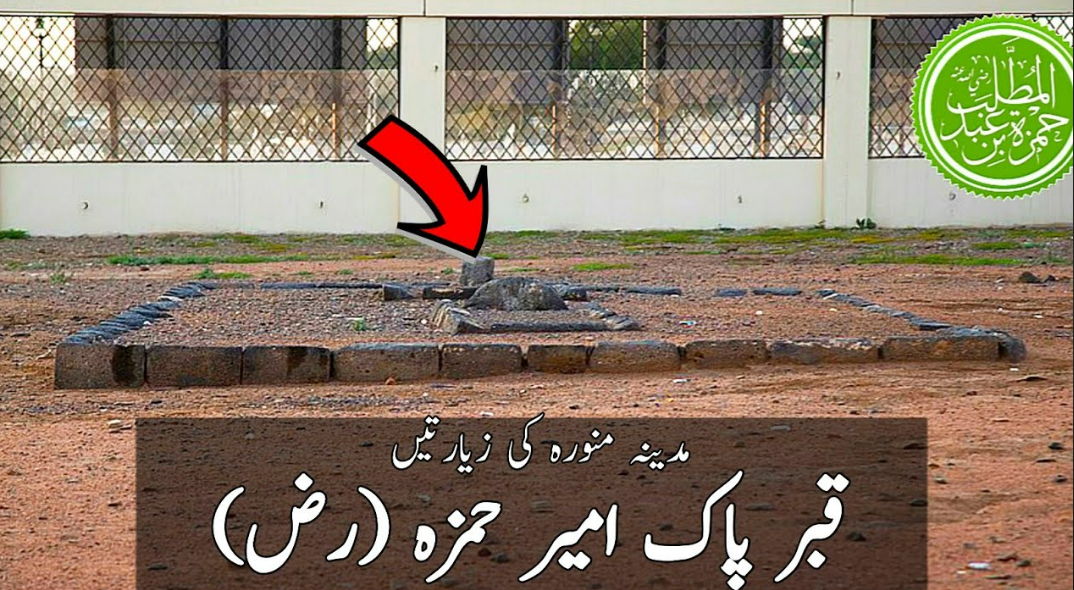
18. Martyrs of Uhud (Grave of Hamza RA)
Near Mount Uhud lies the burial site of Hamza ibn Abdul-Muttalib (RA), the Prophet’s ﷺ uncle and one of the most beloved companions. Known as the “Lion of Allah,” Hamza’s bravery and sacrifice are remembered by Muslims worldwide. The Sada e Madina Umrah Package includes this ziyarat so pilgrims can offer duas and reflect on his devotion to Islam.
19. Masjid al-Jum’ah
Masjid al-Jum’ah is where the Prophet ﷺ led the first Friday prayer after arriving in Madinah. This historic site represents the establishment of communal worship in Islam. Pilgrims visiting during the Sada e Madina Umrah Package can perform salah here and connect with the roots of the Muslim ummah’s worship traditions.
20. Seven Mosques (Sab’ah Masajid)
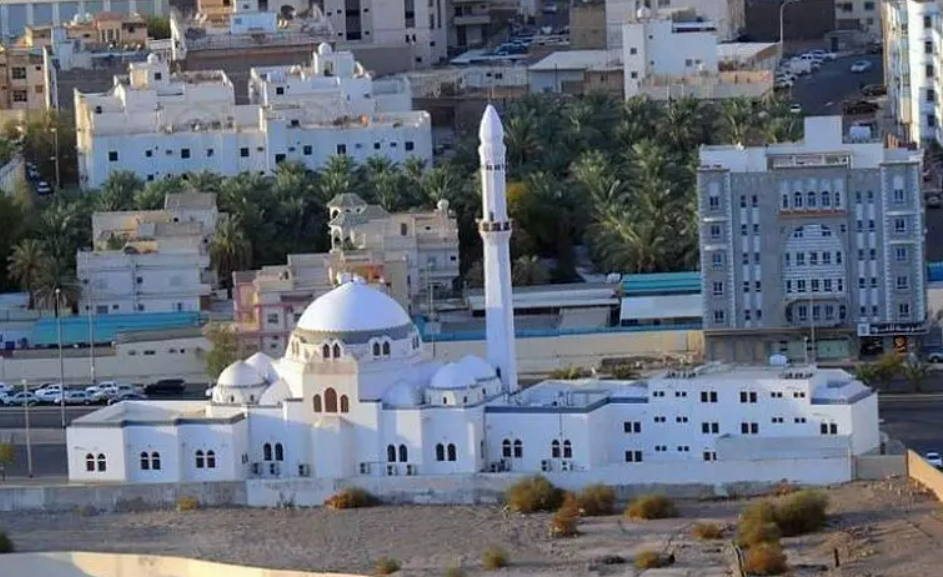
The Seven Mosques in Madinah are a group of historic masajid located near the site of the Battle of the Trench. Visiting these mosques offers a glimpse into the strategic and spiritual history of early Islam. The Sada e Madina Umrah Package includes them in the itinerary to enrich pilgrims’ understanding of Islamic heritage.
Recent Posts
Hajj & Umrah 2026 – Sada e Madina Ke Saath Aapka Roohani Safar
Iraq Ziyarat Tour 2025 – Najaf, Karbala, Baghdad aur Muqaddas Maqamat ka Safar